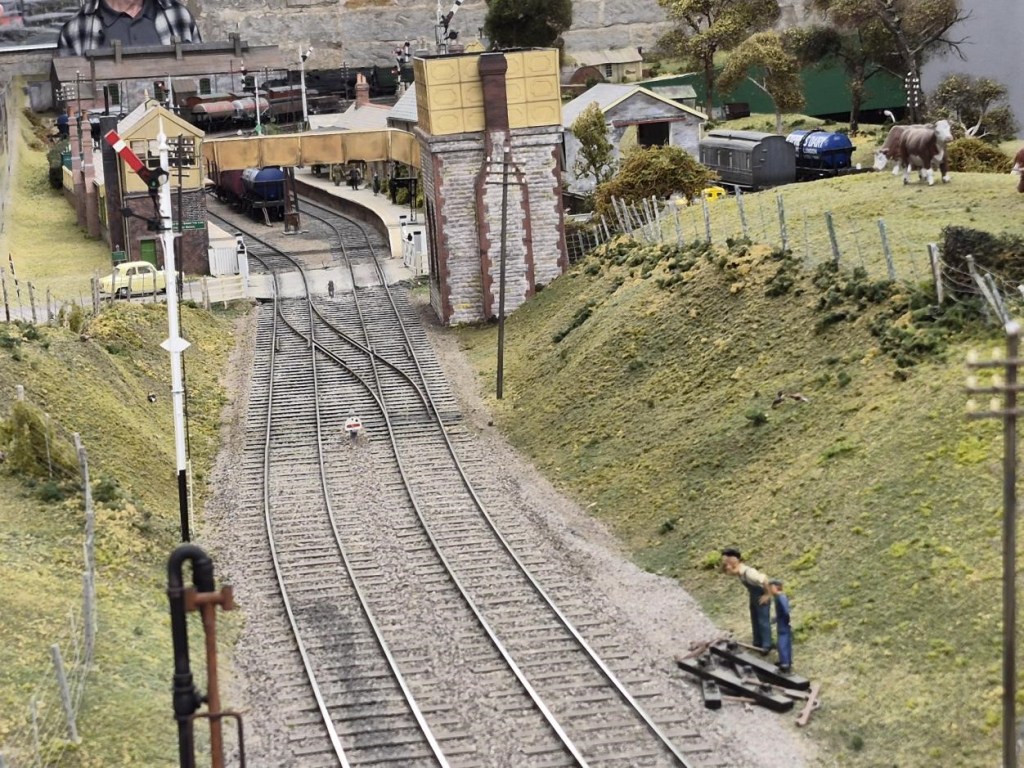
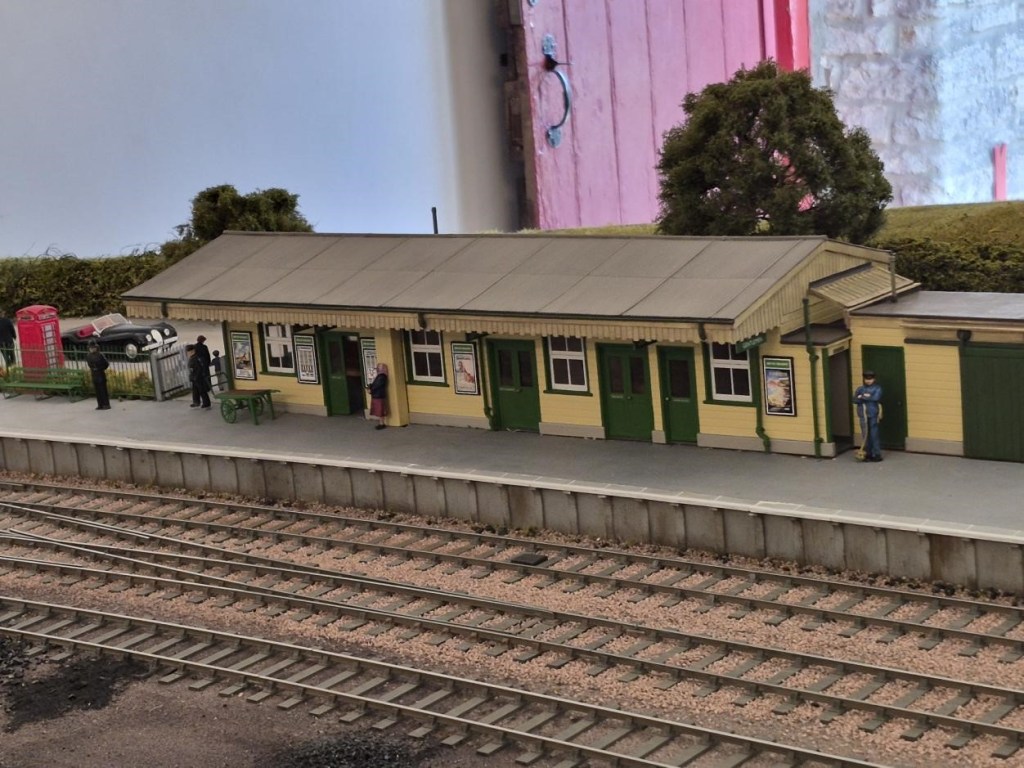
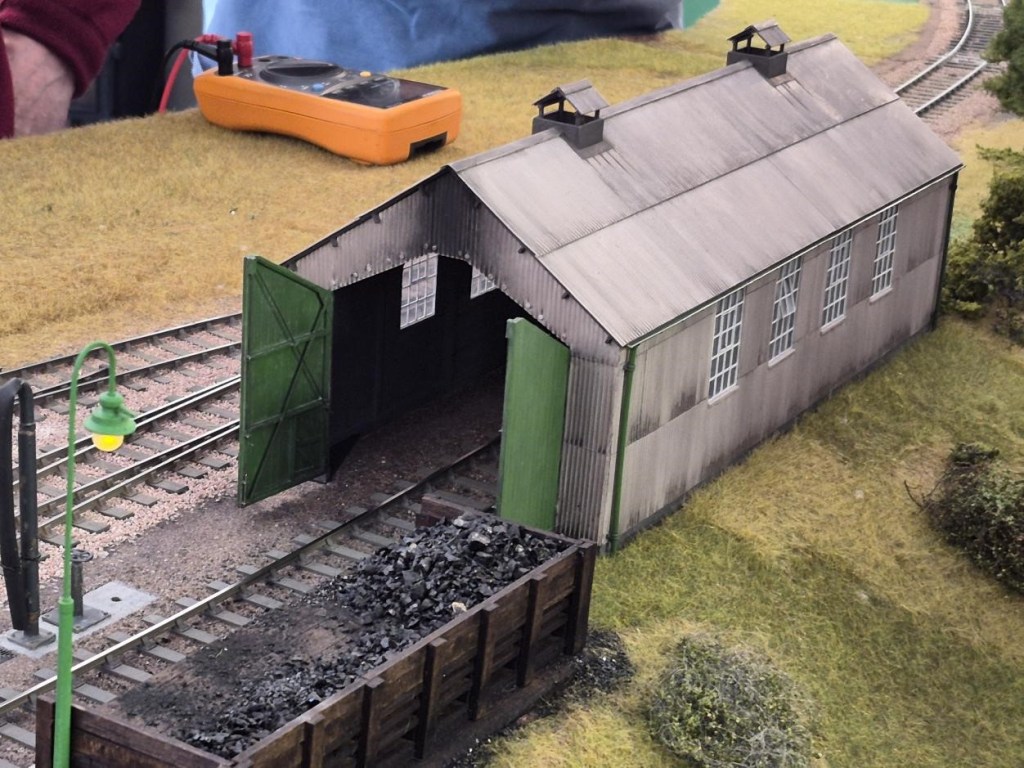
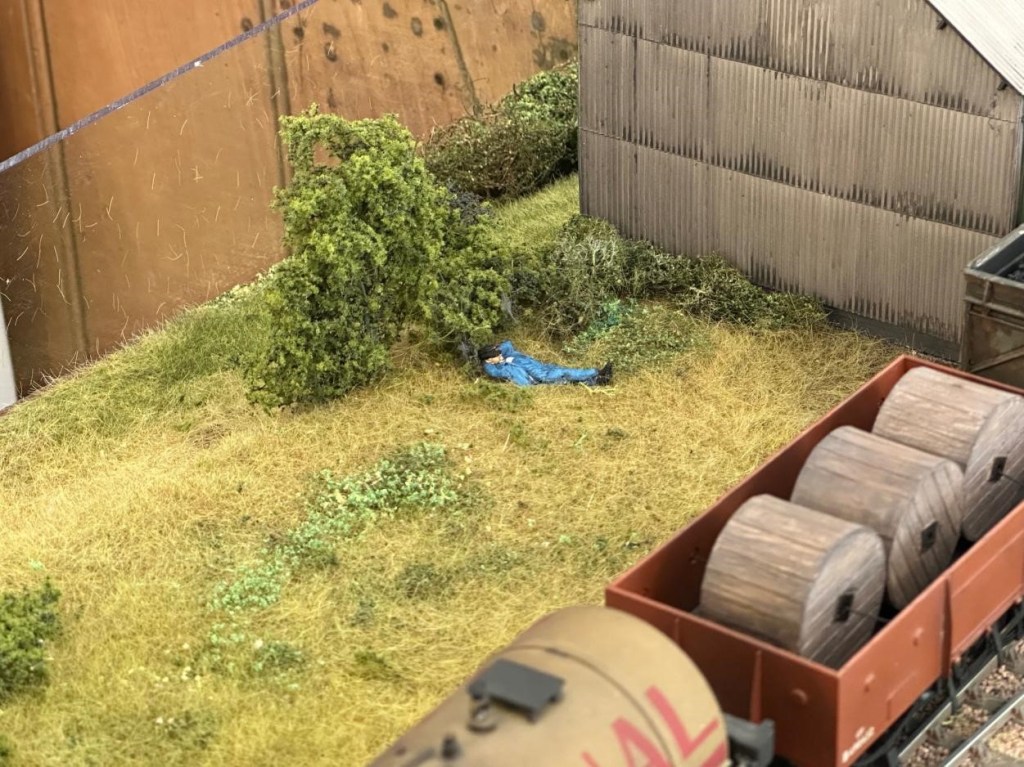
David’s Open Day in April featured both Nethercreech Junction and his new creation Lyme Regis. Some photos taken by YMRG members of Nethercreech Junction follow:
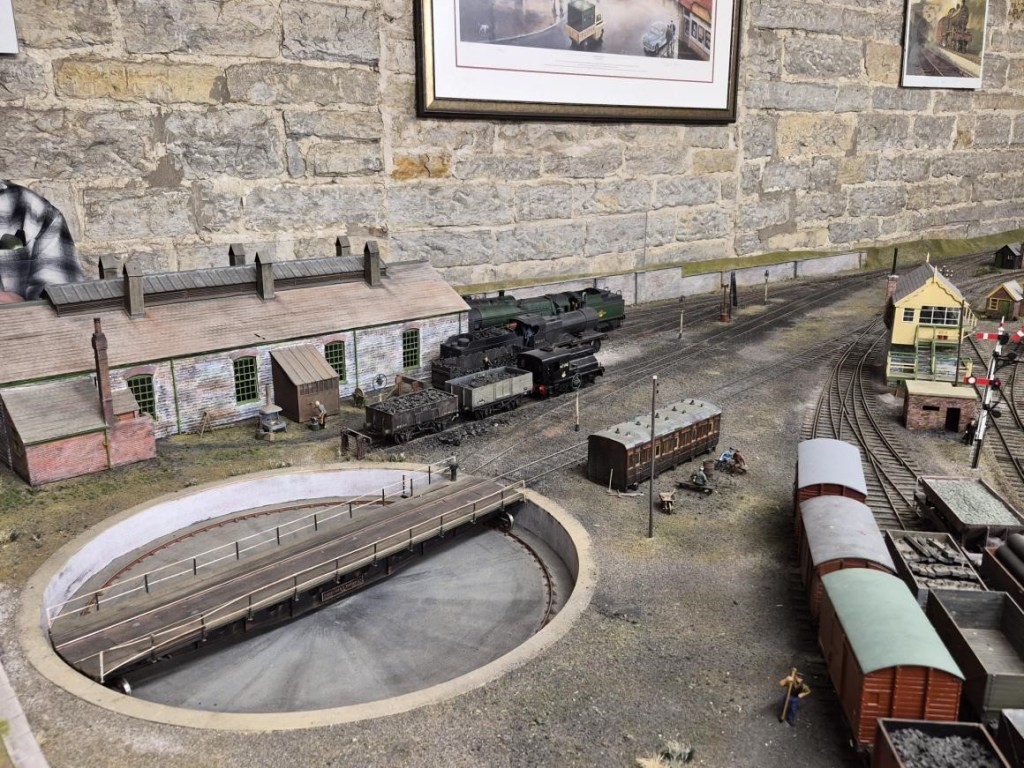
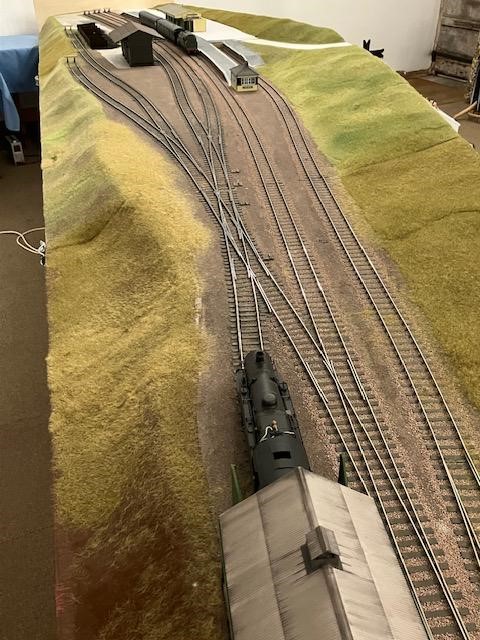
NetherCreech Junction Loco Depot
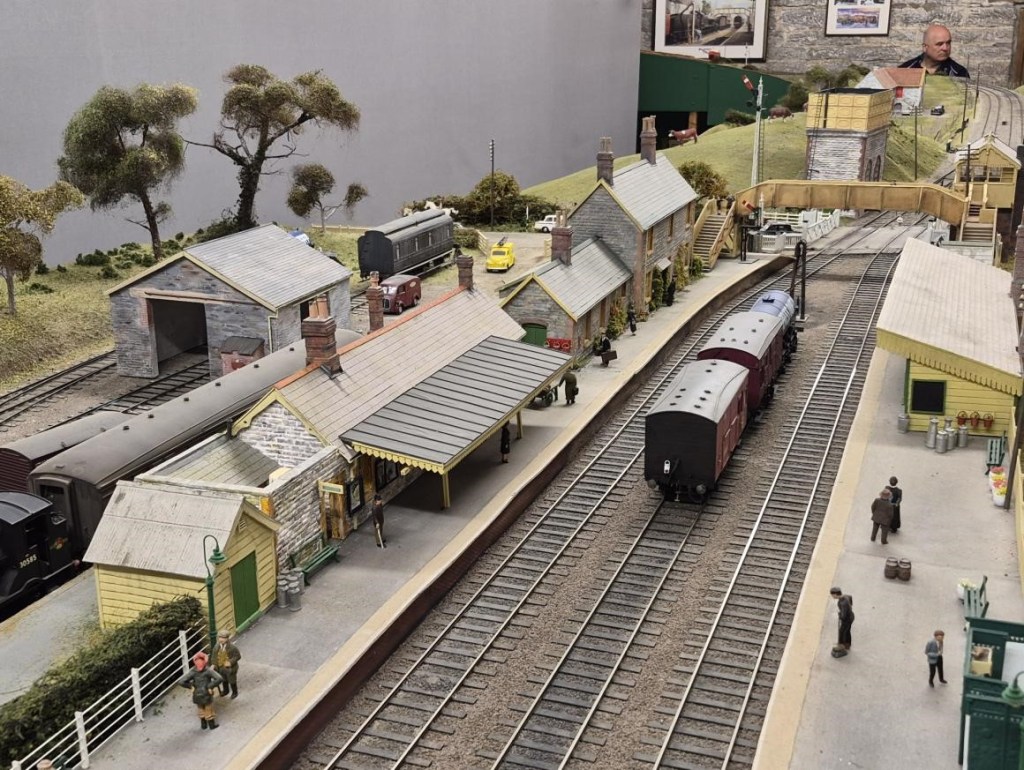
NetherCreech Junction Looking South
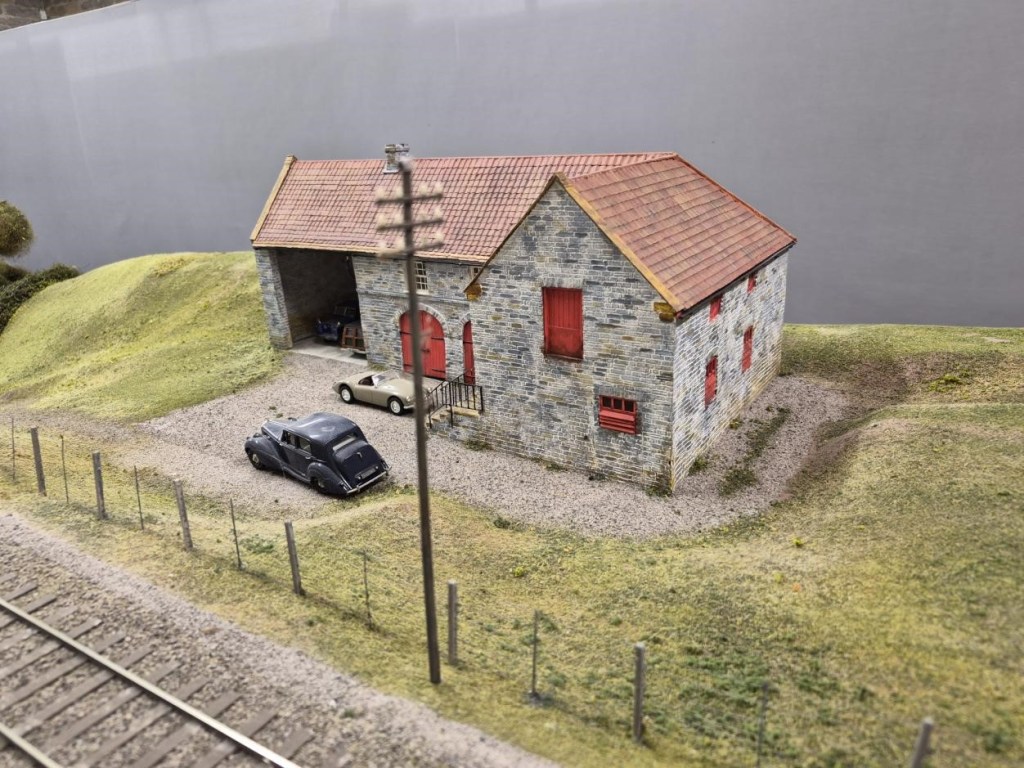
A Model of the Barn that Houses Nethercreech Junction and Lyme Regis painted in Estate Colours with Ivo Peters’ Bentley outside – as it really was on the Open Day!
Looking North towards the Level Crossing
And now two views of Lyme Regis. Member and retired architect Allan has been responsible for the buildings and excellent renditions they are too:
Finally, two further cameos at Lyme Regis:
Looks like a nice place for a snooze.
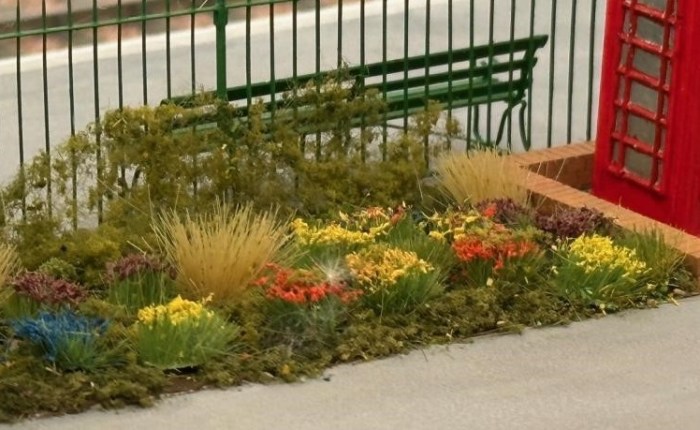
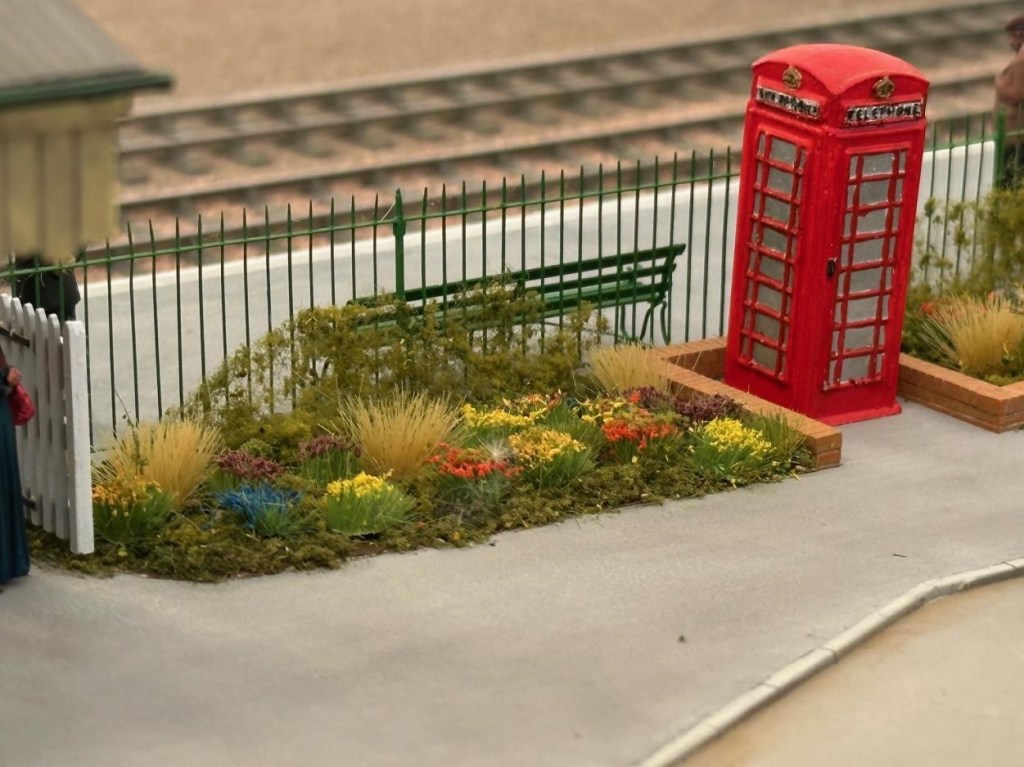
Is this the best flower bed on any layout in any scale anywhere?
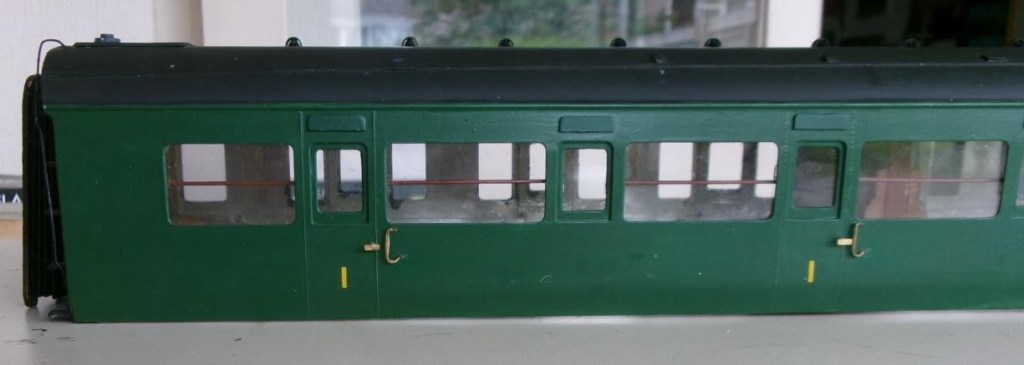
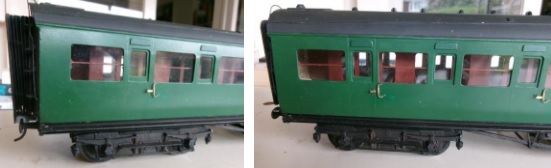
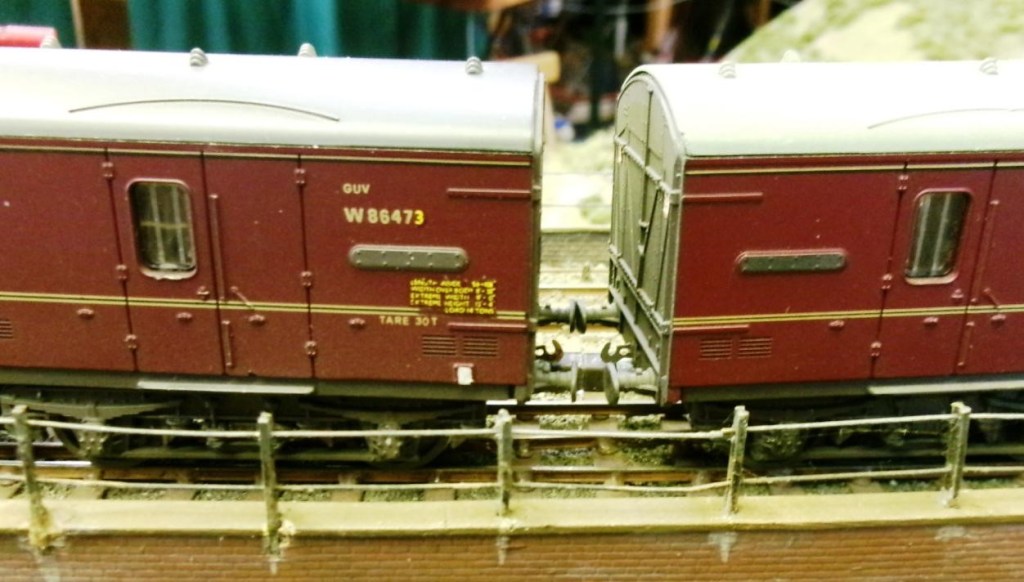
Pete C reports: The Maunsell coaches that the club bought from the estate of Simon K have had a few modifications and some repairs, one being a new bufferhead which had fallen off from a whitemetal buffer. A piece of brass was filed to shape and a spigot soldered in a hole in the buffer head to attach to the whitemetal housing. He then noticed that the cowling over the droplight windows had never been fitted, these were cut from plasticard and painted (luckily Railmatch paint was the same shade) then stuck on with thin superglue. The other noticeable missing items were the very prominent wooden handrails behind the corridor windows. Copper wire was painted and fitted to clips made from plasticard. The remaining job is to drill some holes in the solebar to secure the footboards properly.
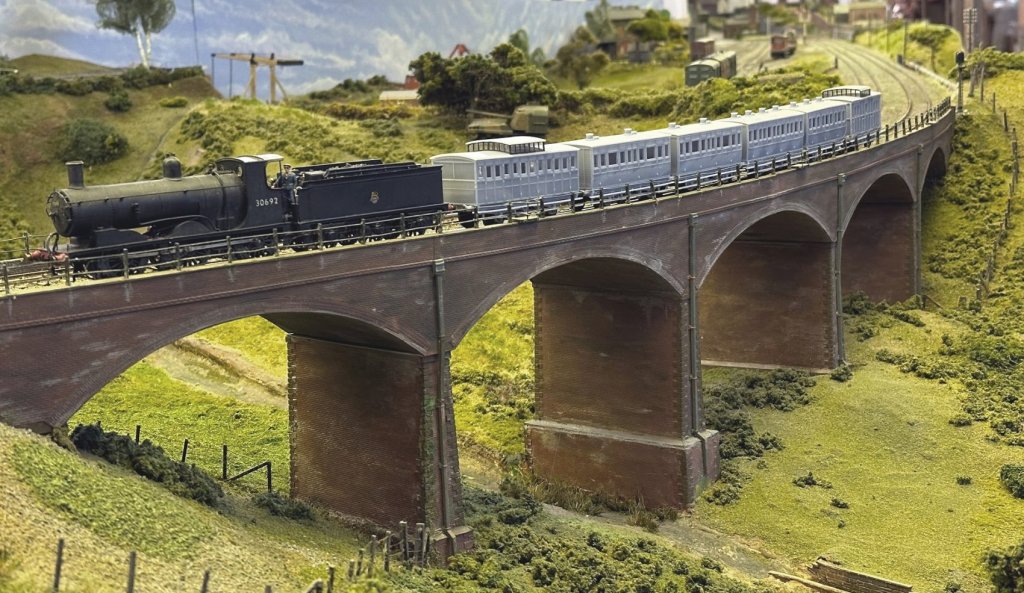
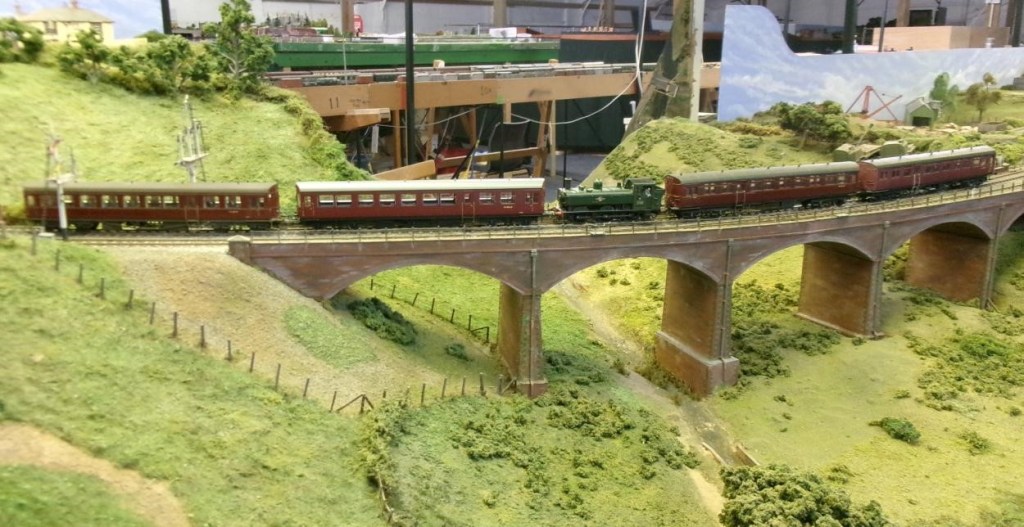
Steve has been steadily working through the many issues of 3D printing his LSWR coaches from the 1860s (in 4mm scale EM Gauge). Courtesy of Keith, not the Downton Train Crash formation of 1884, but a very close coupled rake of 3D printed coaches of all the required types crossing Bob Alderman’s viaduct on South Junction. The 1864 Passenger Brake is leading two 1865 Thirds, an 1862 Second and 1862 First, with the 1859 Passenger Brake bringing up the rear.
The Black Motor 30692 is the least inappropriate engine that he currently has to haul them, although it is at least a Sal&D engine. Built from a Jidenco kit by someone who had some idea of what they were doing and bought secondhand. The somewhat undercooked Jidenco 00 Gauge underpinnings were replaced using Persy chassis kits built to EM Gauge. Those familiar with Steve’s projects will guess that this could be made more complicated than it really needed to be: https://yeovilmrg.org/black-motor-re-chassis-in-em-gauge/
Finally Part 2 of the Big Bertha saga that could be a trilogy if it includes fitting the brake gear.
A very busy month leading with the news that David had reached the point where he could break cover over his new 7mm Scale 0 Gauge layout Lyme Regis.
The intention was to build this to scale but, large though it still is, it is reduced to 81% of the original. It was always intended to be a project involving others and various modellers are participating in the layout’s construction. Apart from the fiddle yard (next part of the project) the track is laid and wired, most of the buildings constructed and the scenery taking shape. Spoiler – your Future Editor is aware that the flyover bridge at Axminster is on the agenda!
Lyme Regis does, of course, require three Adams Radial tanks (!) the first of which is making steady progress on David’s work bench. Meanwhile, Lyme Regis is having to make do with slightly over-powered locomotives. The layout is designed to be portable so one day…
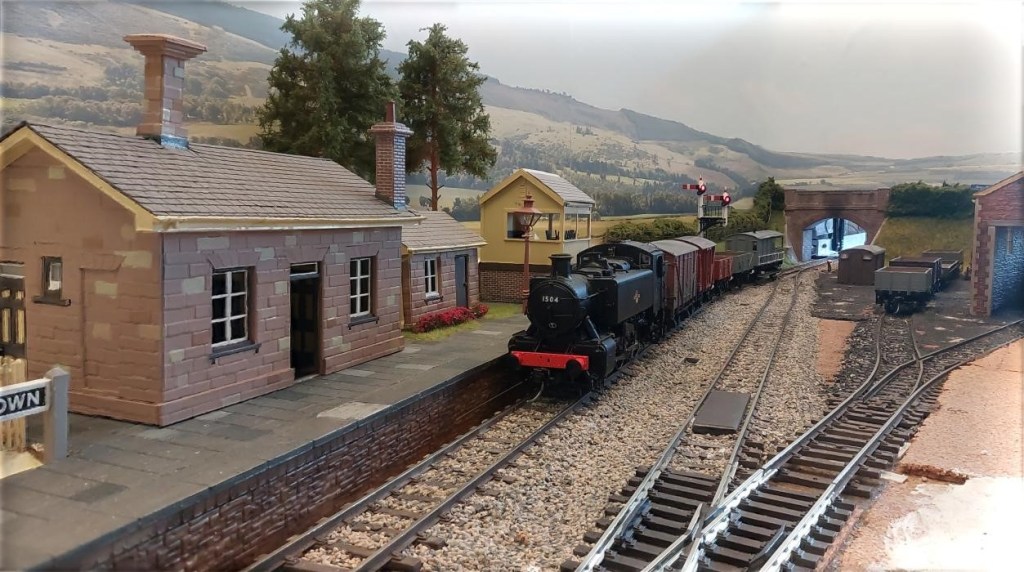
Dom has made good progress on the station building on Coombe Town – the roof is now fully tiled so it’s mainly weathering and detailing to get it to a finished state. The building really adds to the feel of the station as he hopes members will agree from the attached image.
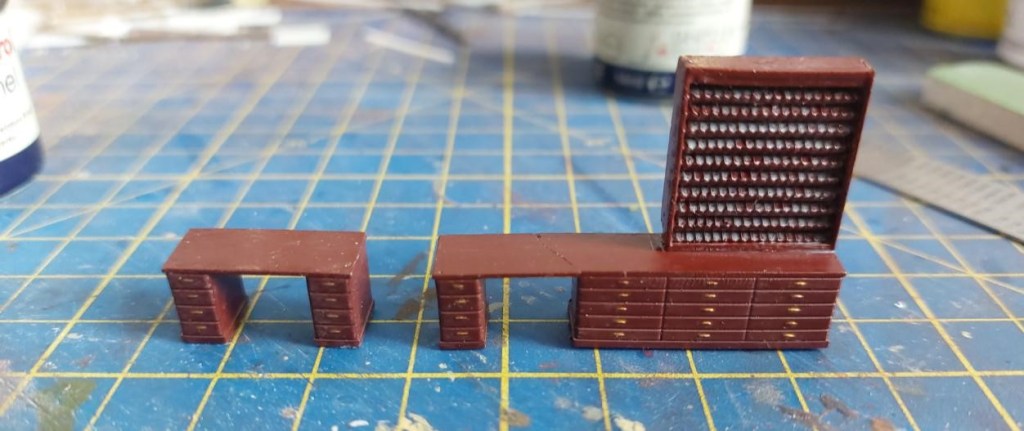
Dom’s friend was also kind enough to print some office furniture to his design to fill out the offices when he gets to the interior.
Allan asked members for methods to remove the BR lion logo from his unnumbered Dapol Jinty. Only Roger came up with a solution, use IPA – not, as Allan originally thought, Pale Ale! Unfortunately it only partly helped, the rest was white spirit and much gentle scraping. he does not recommend doing this. Fortunately the resulting mark – the logo was embedded in the paintwork – was masked with the M of LMS, as you will see from the attached image, now heavily weathered, next to his 4F. The photos below them show 7316 at Radstock in 1950, and 4417 at Glastonbury, and at Cole in 1962.
This 4mm scale EM gauge Peckett 0-6-0T from a Mercian kit has been built by Adam and was having a running in session on South Junction. It was named ‘The Marshall’ after the late John Marshall who died in 2015. John was responsible for finding both sheds in Martock. He was a Bristolian, hence it being a Peckett.
Pete’s two Hawksworth auto-coaches have been coupled with the magnets directly into the pockets to give just enough clearance between them, much easier than a bar and loop connector.
Finally we have enough auto-coaches to run a 4 coach set with the 16XX:
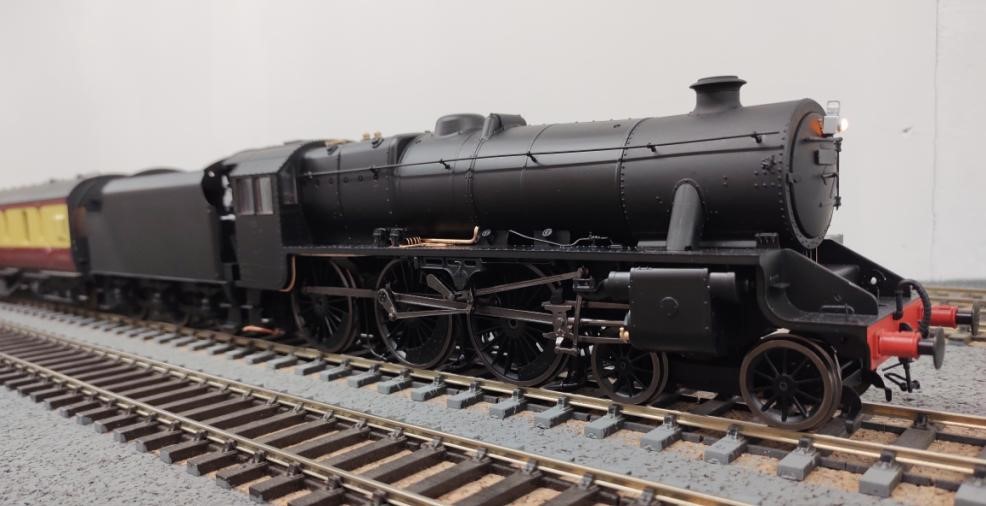
Dick received his 7mm Ellis Clark Black 5 recently and is very pleased with it. He is still getting his head round all the DCC functions and sounds as he is fairly new to DCC. It can be set up so that the fire needs coal adding regularly, otherwise the engine runs out of steam, but he thinks that is a bit much at the moment. He has yet to add the details and choose a number for it – he is looking for one that worked over the S & D but the Armstrong Whitworth built ones seem a bit rare. 5440 was one but he knows others with that number on their Black Five so is still looking.
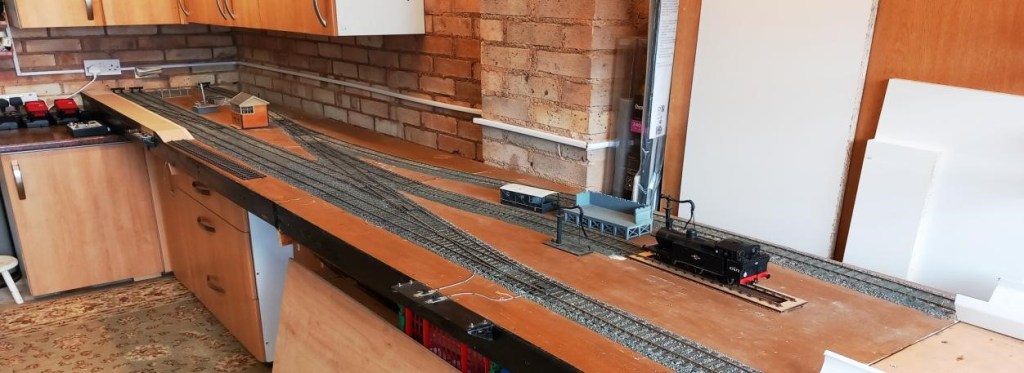
Plank Street, Jim’s 7mm scale Forest of Dean themed layout started life in Chicken Shed 2, but has now been re-erected in the garage following an enforced stay in the trailer whilst the space was needed for the storage of the new B&Q kitchen. This has now been successfully installed in the kitchen and some of the old kitchen units are now in the garage with the layout below them. The next task is to construct the laser cut engine shed and water tower purchased from ‘L-Cut Creative’ at the Doncaster show earlier last month, so the Panniers and Jinty (below) can have a roof over their heads – not all at once of course!
And this is the Jinty that Jim couldn’t resist. For sale on the GOG Sales and Wants” site for only £165, DCC and sound fitted.
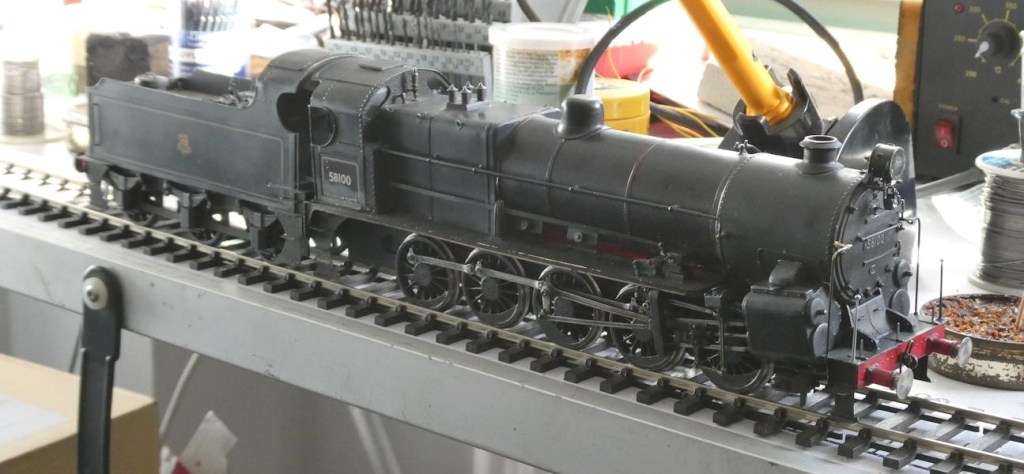
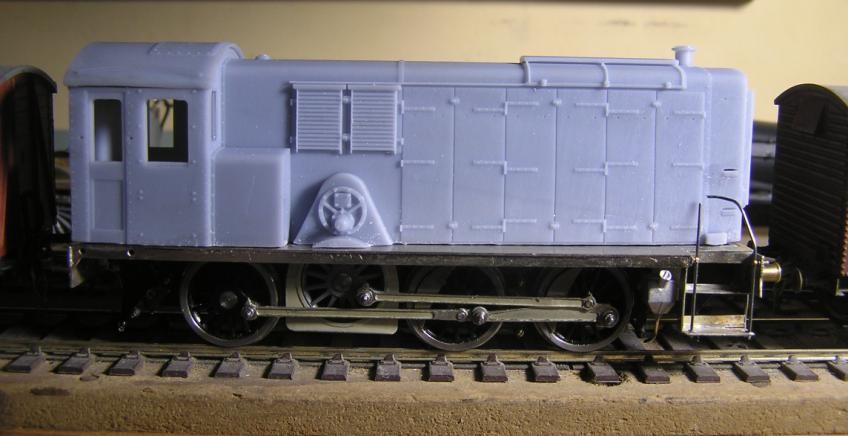
Some years ago Steve built a Mercian kit for the ex-LMS Armstrong Whitworth 0-6-0 Diesel Electric shunter that all went into War Department use. Four of them ended up in Belgium and there was an H0 gauge etched brass kit produced to model them, and it seems likely that this ‘4mm scale’ kit was derived from that kit. When built (to 4mm Scale EM Gauge), the loco was found to be 4mm too high and 2mm too wide and towered over any box van it met. Steve had ordered a complete spare chassis etch at the time of purchase, and this allowed him to fully articulate the rods and compensate the chassis on the Sharman principle with one fixed axle. Compensated, with a large Mashima, two 16mm flywheels and a High Level Kits Gearbox and once given enough sideways play on the centre driven axle, it ran exceptionally well. As a result, Steve felt that this was a loco that he couldn’t reasonably give up on, despite not needing it for his model of Verwood.
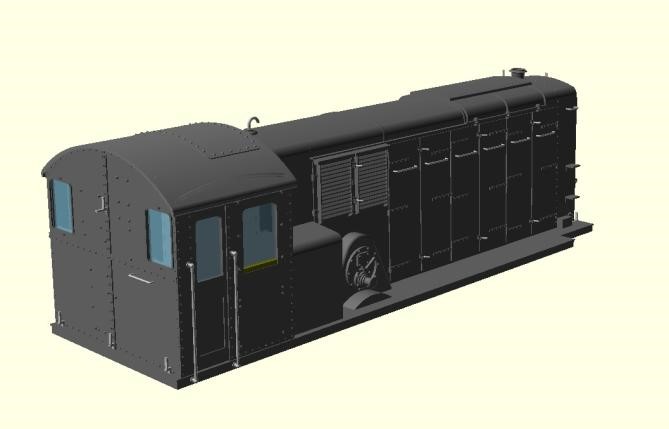
Having modelled the Downton Train Crash coaches from the 1860s, it occurred to Steve that he should now design a 4mm scale body for it that could be 3D printed, one that would fit on the etched running plate after it was cut and shut. Eight days, 77 QCAD drawings and 1500 lines of OpenSCAD script later he was able to produce these renders.
The Roche drawing was the starting point, with close examination of photos to winkle out the many errors in the drawing. The etched running plate has been shortened, though not by much. A bit was taken off the edges, with the valances refitted slightly inboard, and now the width is about right. The overall wheelbase is 60mm when it should be 58mm, and that pushes the brake blocks behind the sanding hoppers, which being in their original positions are slightly too far outboard – but then something has to give. On Western Thunder Adam perceptively described it as a ‘rubber ruler job’!
This masterpiece of the resin 3D printers’ art (by a specialist) is seen perched on the shortened running plate and chassis, with (happily) everything now pretty much where it should be. The glazing pockets for the side windows came out OK, but will only accept packaging film, so they will need to be opened out to allow for the ‘additive kerf’ of 3D printing. The pockets for front and rear cab windows did not form completely as the resin was unable to drain from the deep slots above the windows, so those will need to opened up to the cab so that they will drain. As with the 1860s coaches, flush glazing is a must and adjustments will be made to the model for the mk2 print so that it will accept Plasitiglaze or glass cover slips. There’s nothing that Steve can do to stop it being an ugly brute flush glazed or not!
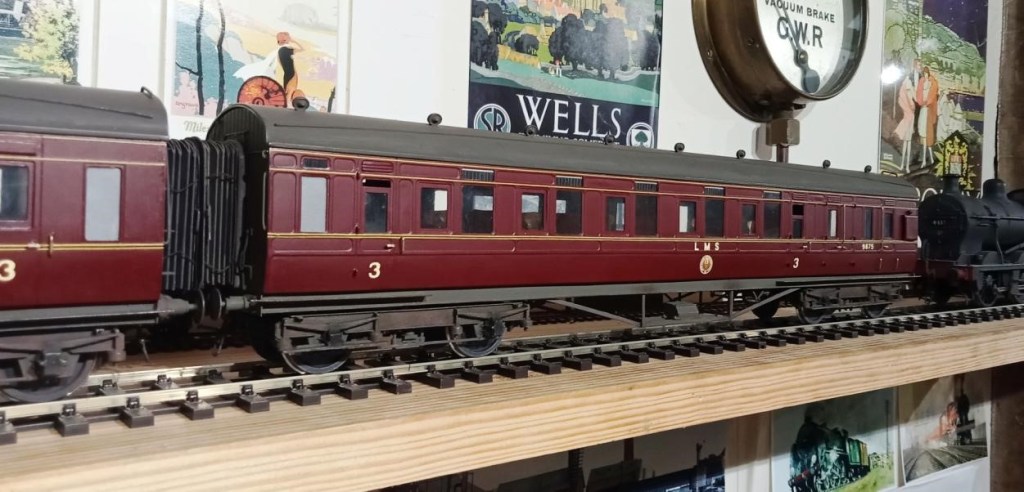
Allan has been busy working on his rake of LMS coaches and the buildings for David’s new ‘Lyme Regis’ layout in 7mm scale 0 Gauge.
His completed model of an LMS all panelled ‘two window’ brake third.
The fibre cement engine shed at Lyme Regis – that green is just as your editor remembers it on railway buildings in East Dorset.
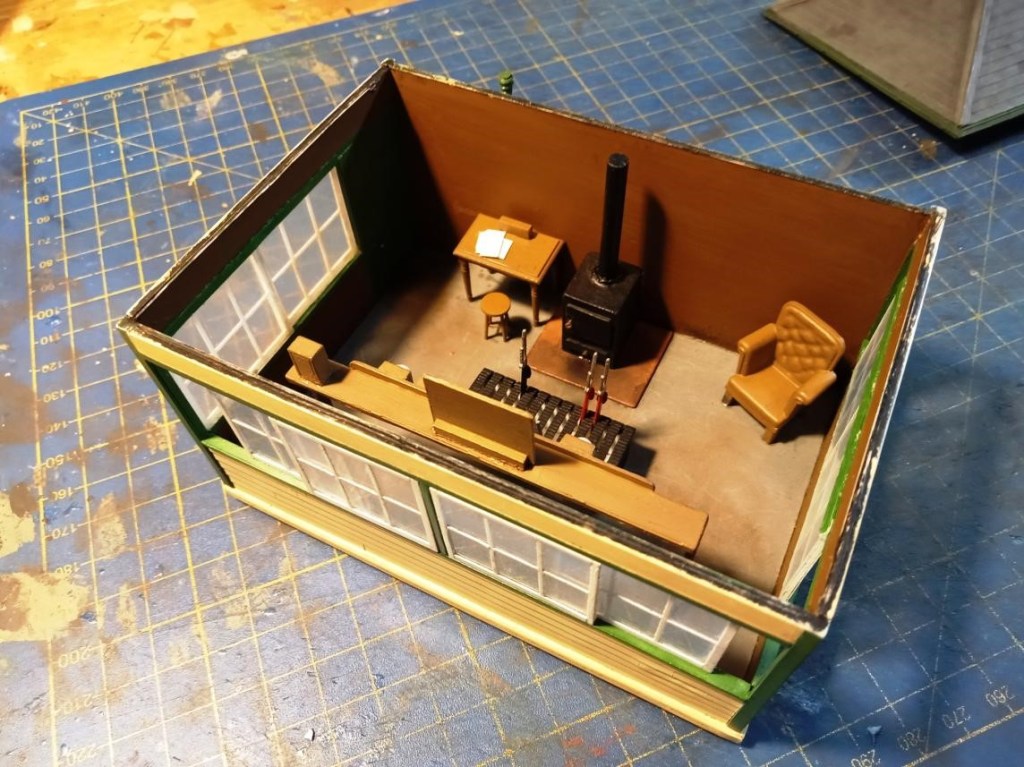
A lovely model of the signal box with partially open sliding ‘Yorkshire’ sash windows and modelled interior. Your editor doubts if the internal walls were brown, though he could believe the floor was.
The station building at Lyme was re-erected at Alresford, but as Allan discovered on a site visit, not without some compression. This stunning model is of the station building as it was at Lyme Regis post-war.
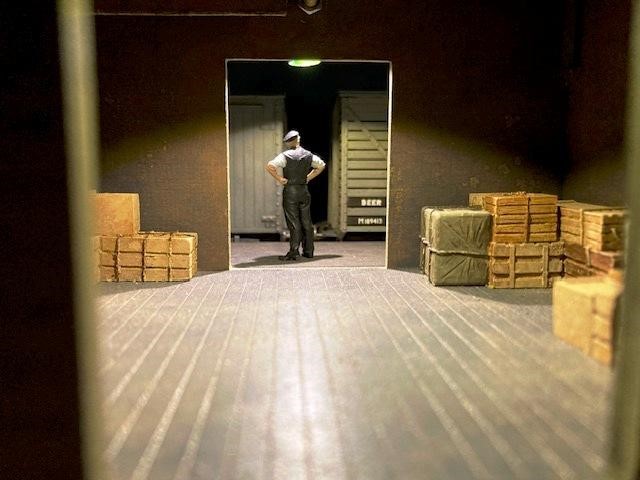
This evocative cameo is from Simon K’s new 7mm scale O Gauge shunting plank ‘Cerne’. The goods shed foreman is clearly contemplating his next move with the contents of the “Beer” wagon.
Two other scenes from Cerne showing the beautifully modelled figures.
Dom. continues work on Coombe Town (4mm scale 00 Gauge) with the station building curently receiving attention.